Kriolish: from no brand to first paid product
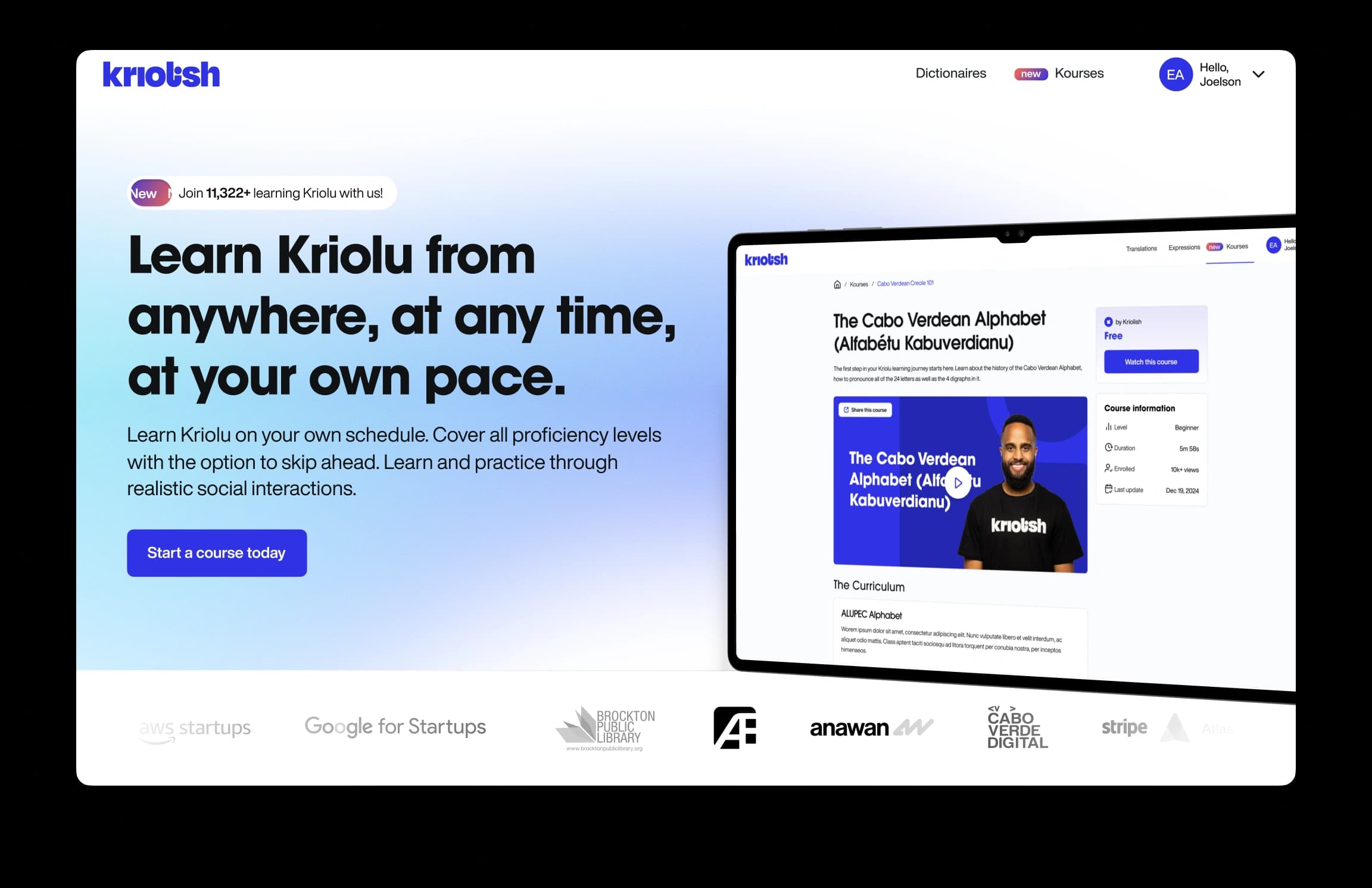
A million people speak Cabo Verdean Creole. As founding designer, I gave its platform a brand and a design system, and we shipped its first paid product, now sold in 12 countries.
Overview
Impact
People learning Kriolu on the platform in an average week.
In course sales across 12 countries, from a single course. Six more are in the pipeline.
From 1,000 to 4,000 followers since the rebrand and the template system.
By the end, the company had its own look, a coherent platform, and its first paying customers, shipped by a design team of one and a half.
Challenge
The brand didn't feel like the culture it was built for.
No design system. Every screen looked and behaved differently.
No revenue. Everything ran on volunteer time.
Three problems, and they had to be solved together. A rebrand that doesn't reach the product changes nothing. A redesign without a system doesn't last. And none of it matters if the company can't pay for itself.
Status quo
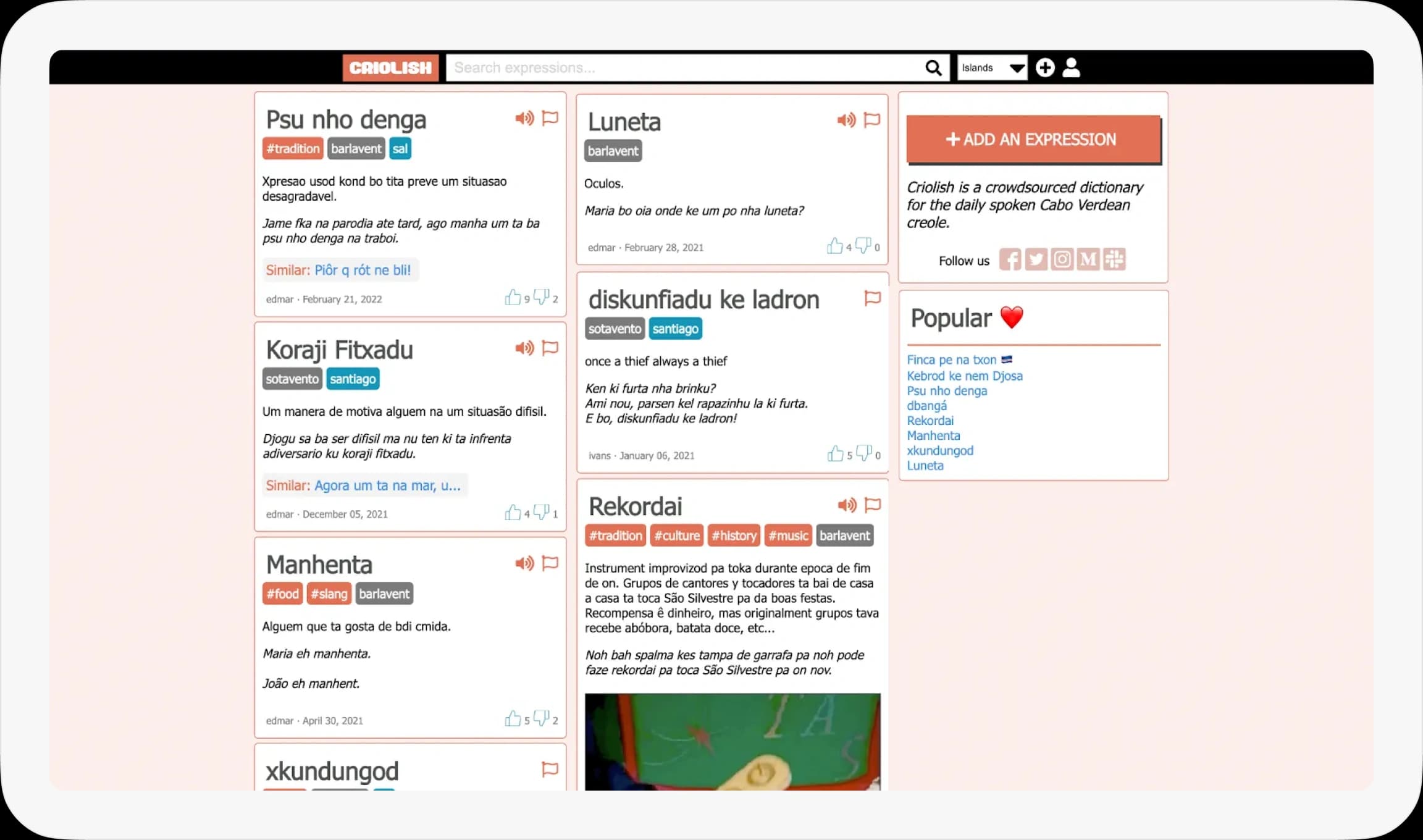
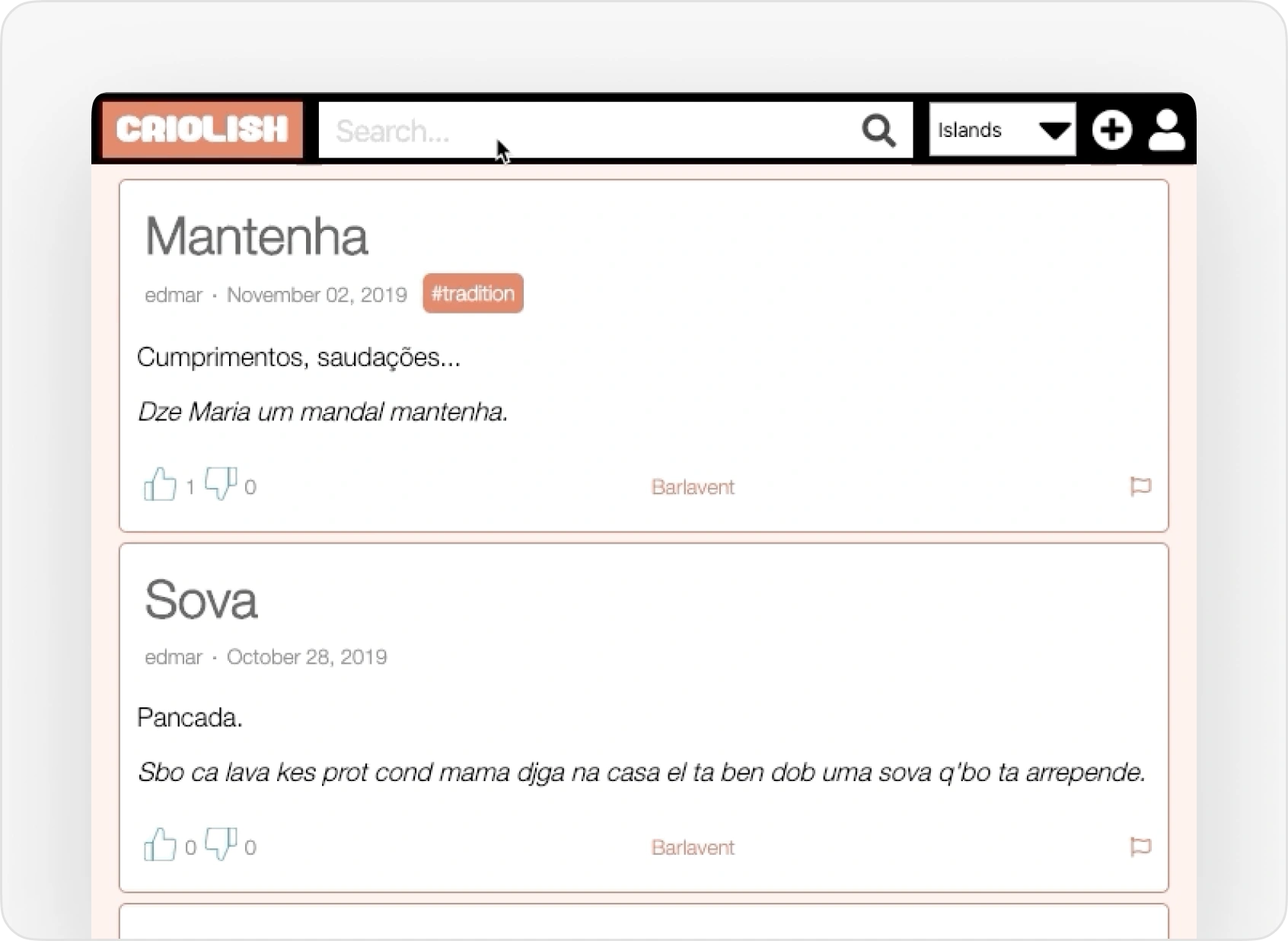
The product as I found it, before the redesign. It worked and people used it, but it had no identity of its own.
Process
Four decisionsSupport the brand consultant, don't compete with them
The company brought in a consultant for the identity redesign. Instead of competing with them, I supported them: I shared product constraints, screen inventories, and the real contexts the identity would live in, and I tested every direction against actual UI before it was locked. They made the identity decisions; I made sure those decisions worked in the product.
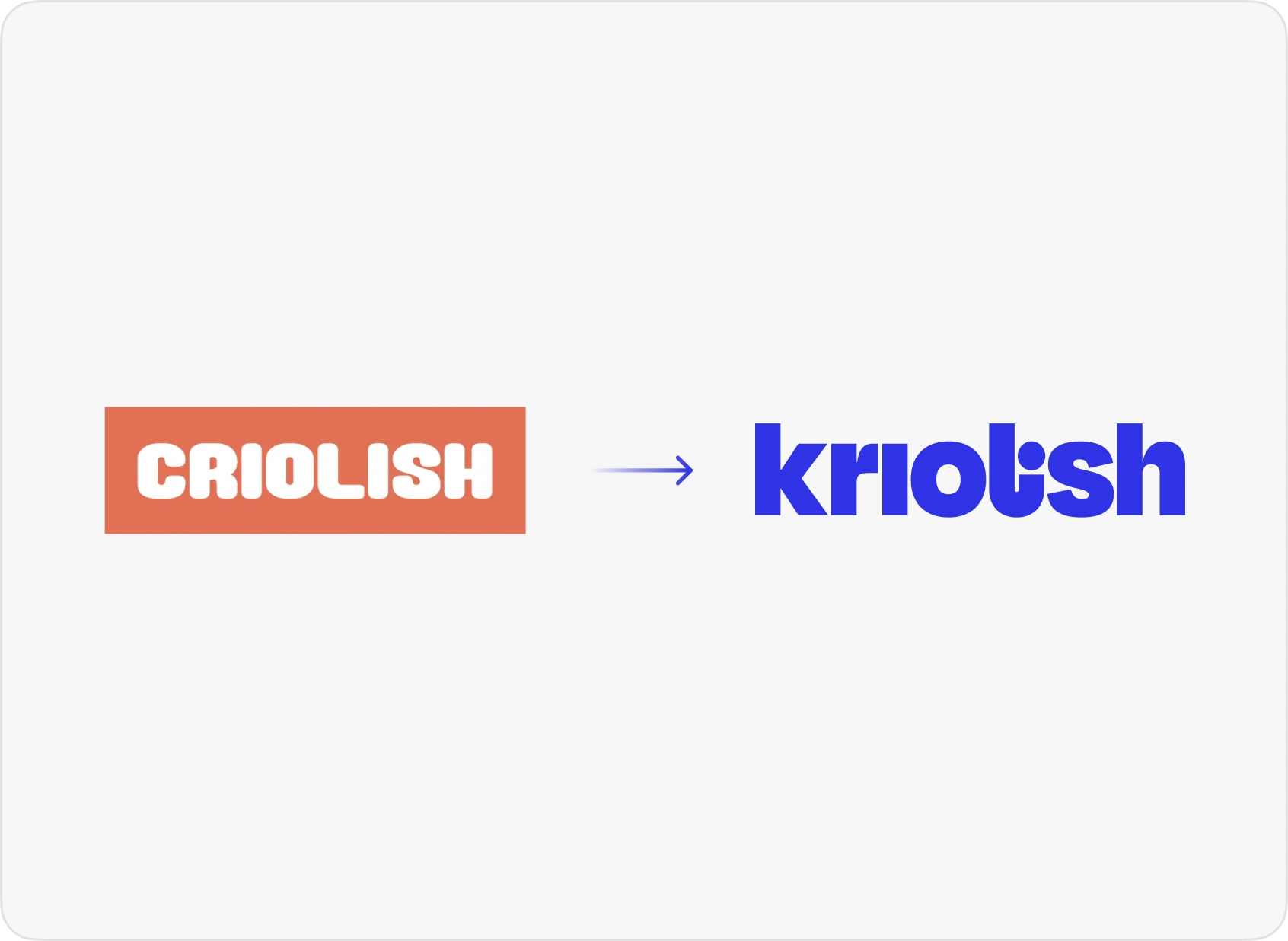
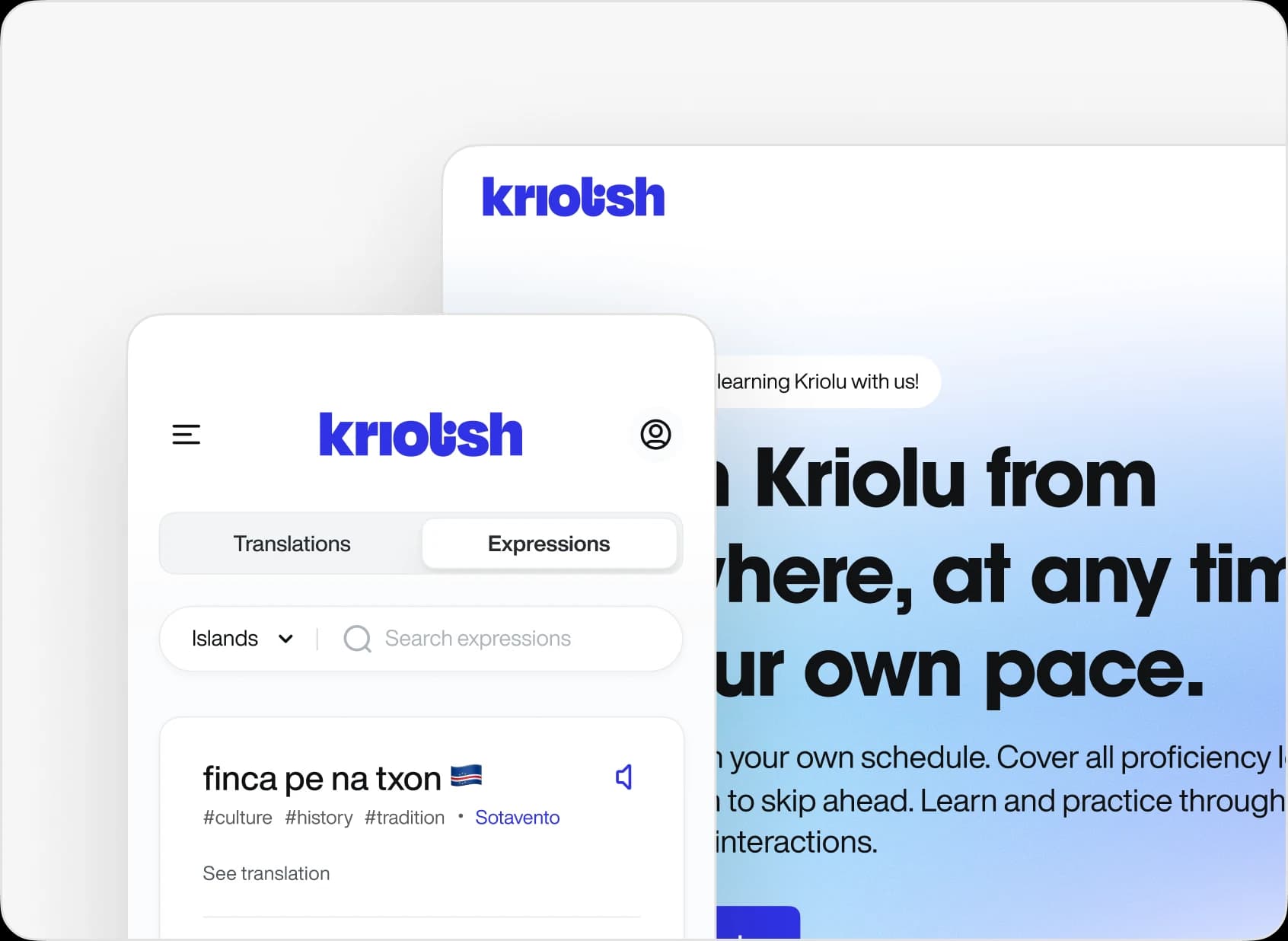
Ship the brand everywhere at once, or it isn't a rebrand
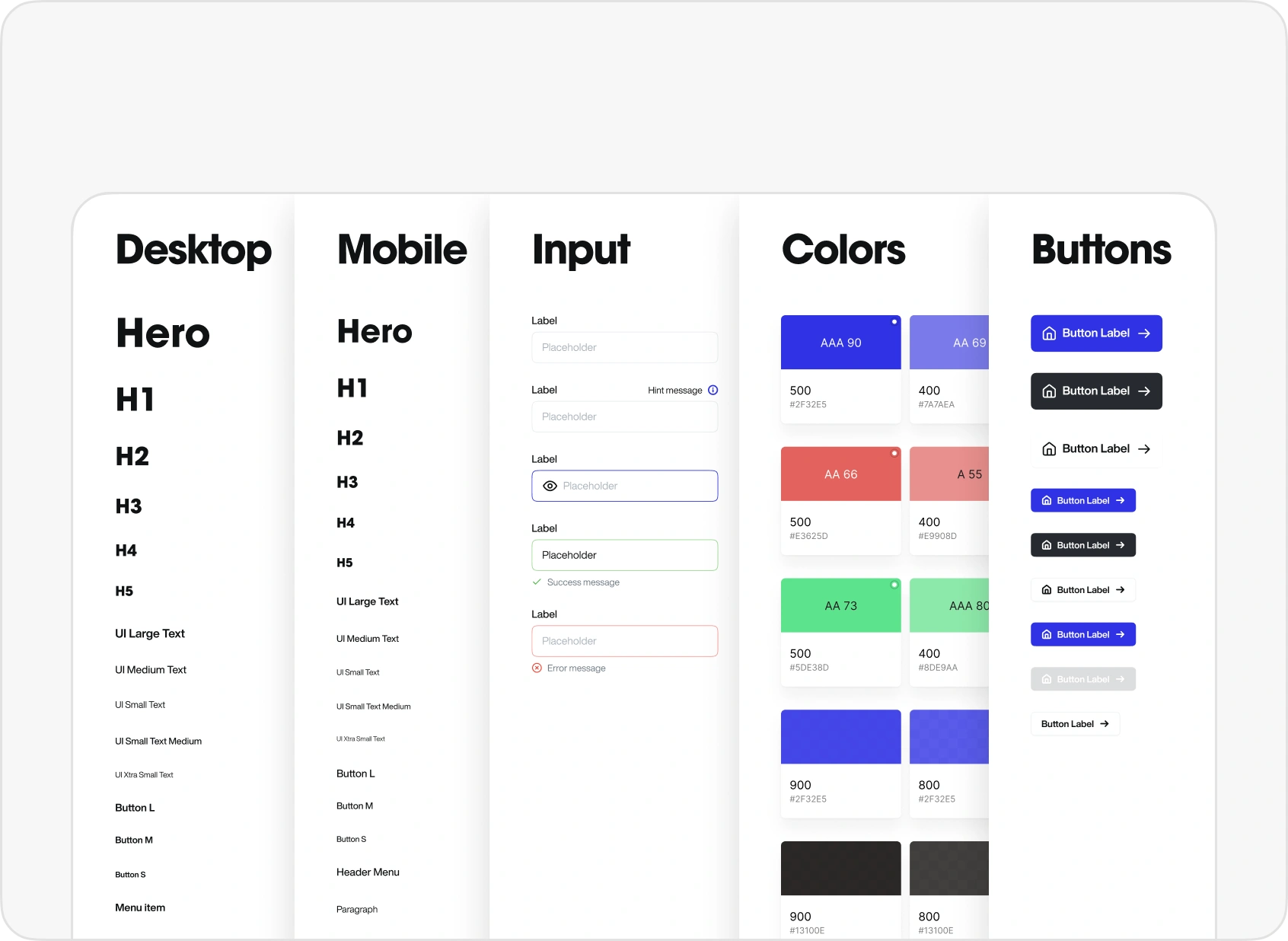
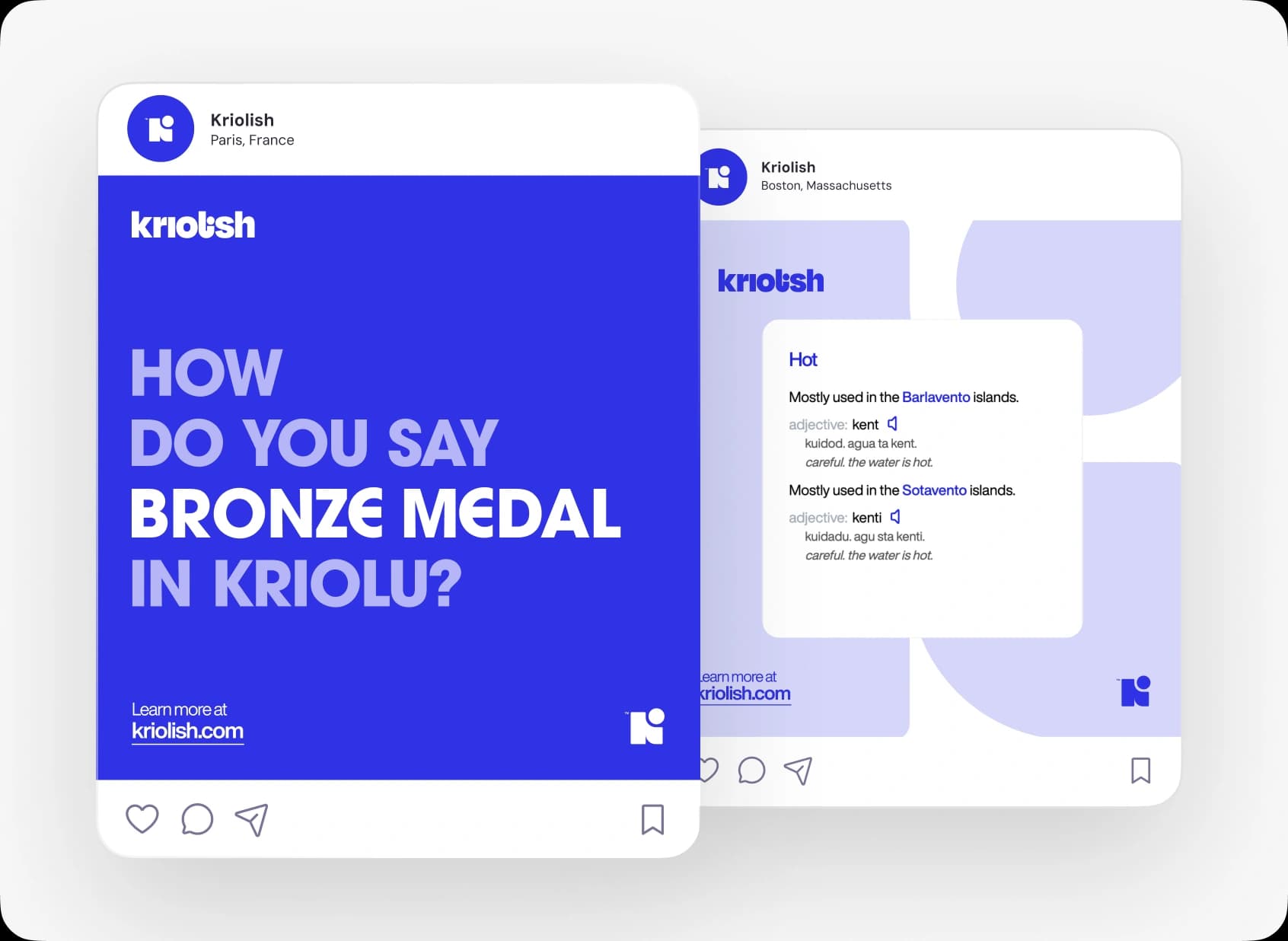
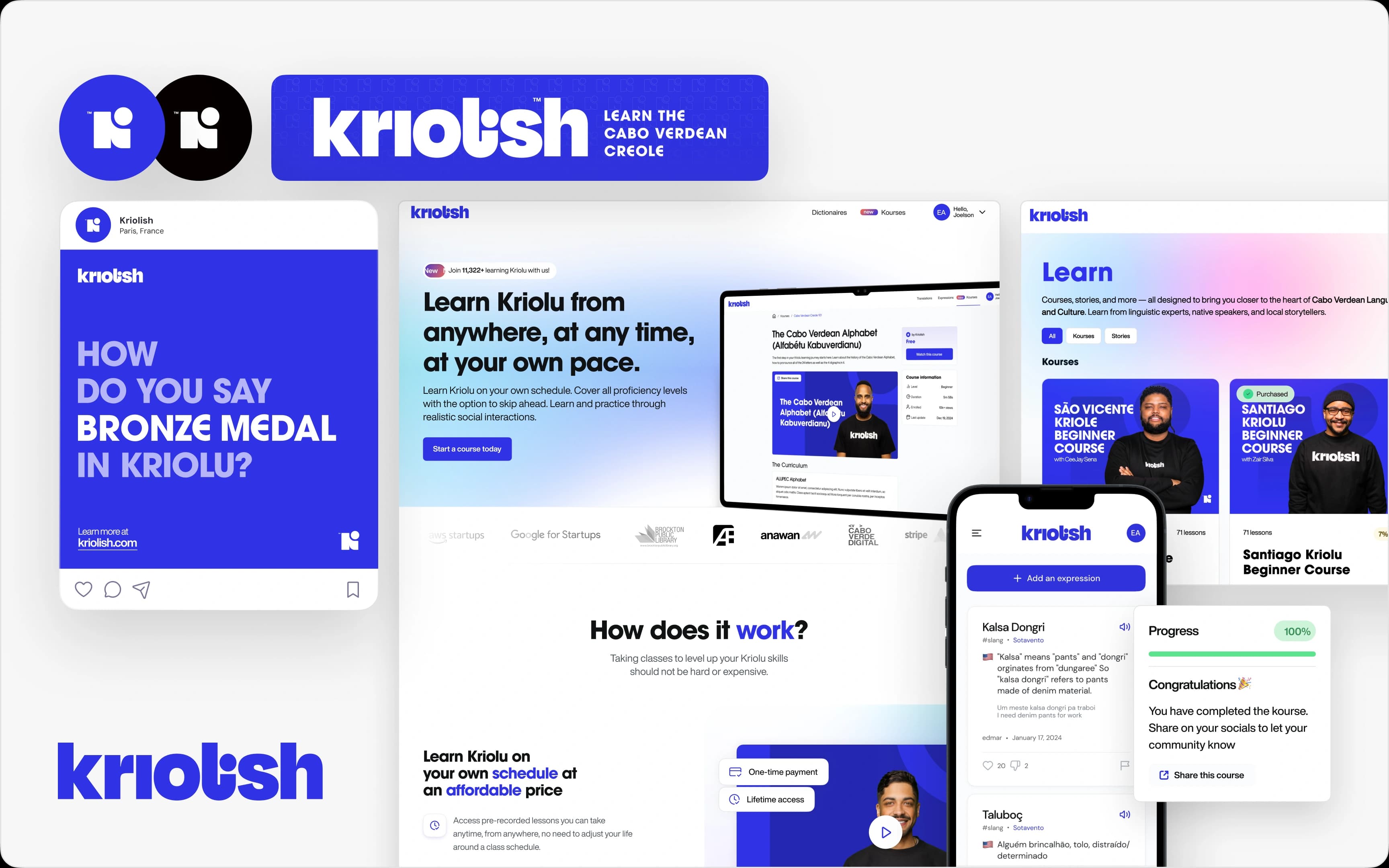
A new identity that only lives on the landing page isn't a rebrand. I turned the identity into a working system (tokens, type scale, components) and we shipped it across the product and the marketing surfaces at once: 30+ screens across web and mobile, each in its different states, plus social media templates the team could produce without me. The templates mattered as much as the screens: with a team this small, design can't be the bottleneck for every post.
Redesign the platform around its contributors
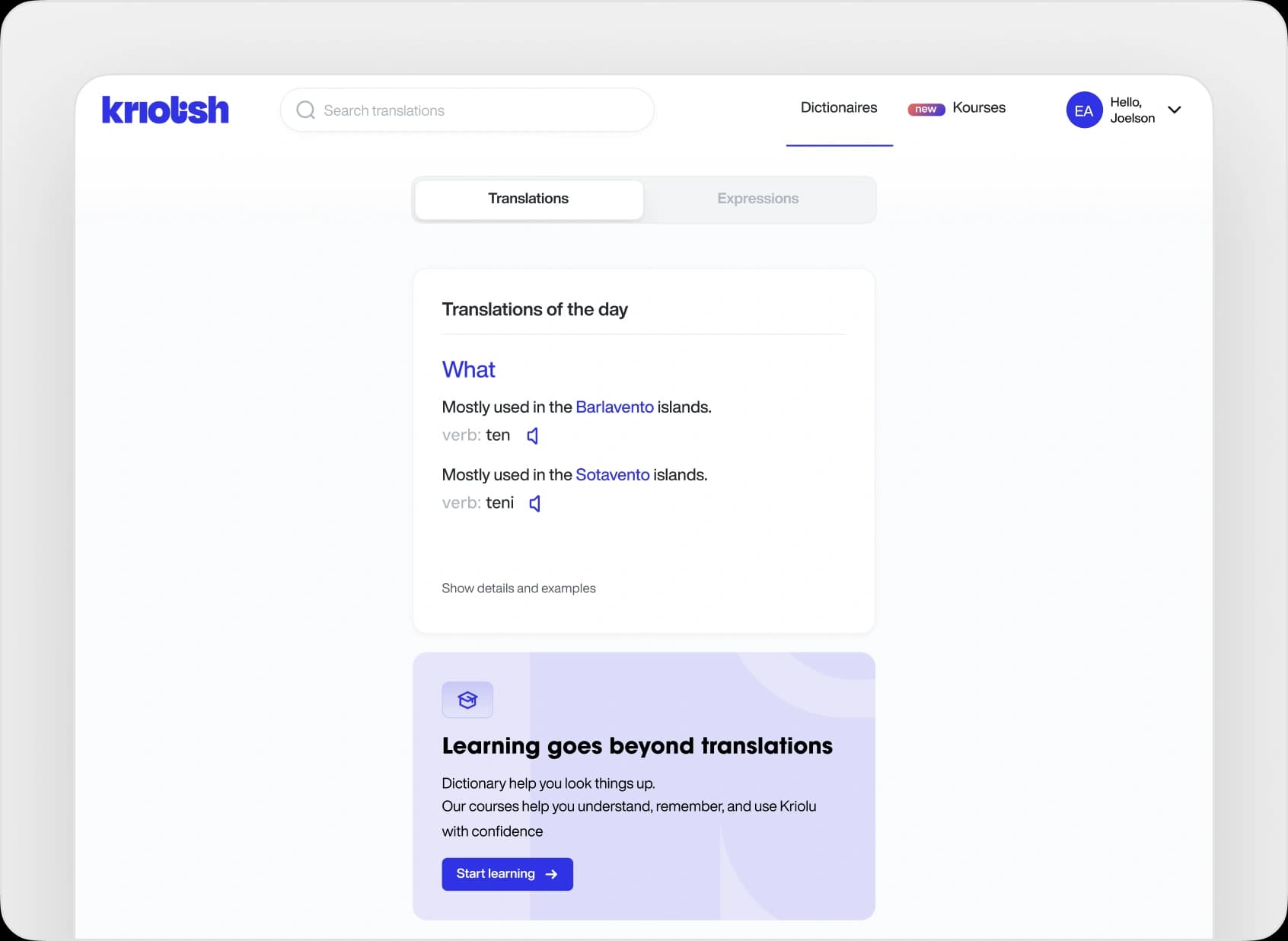
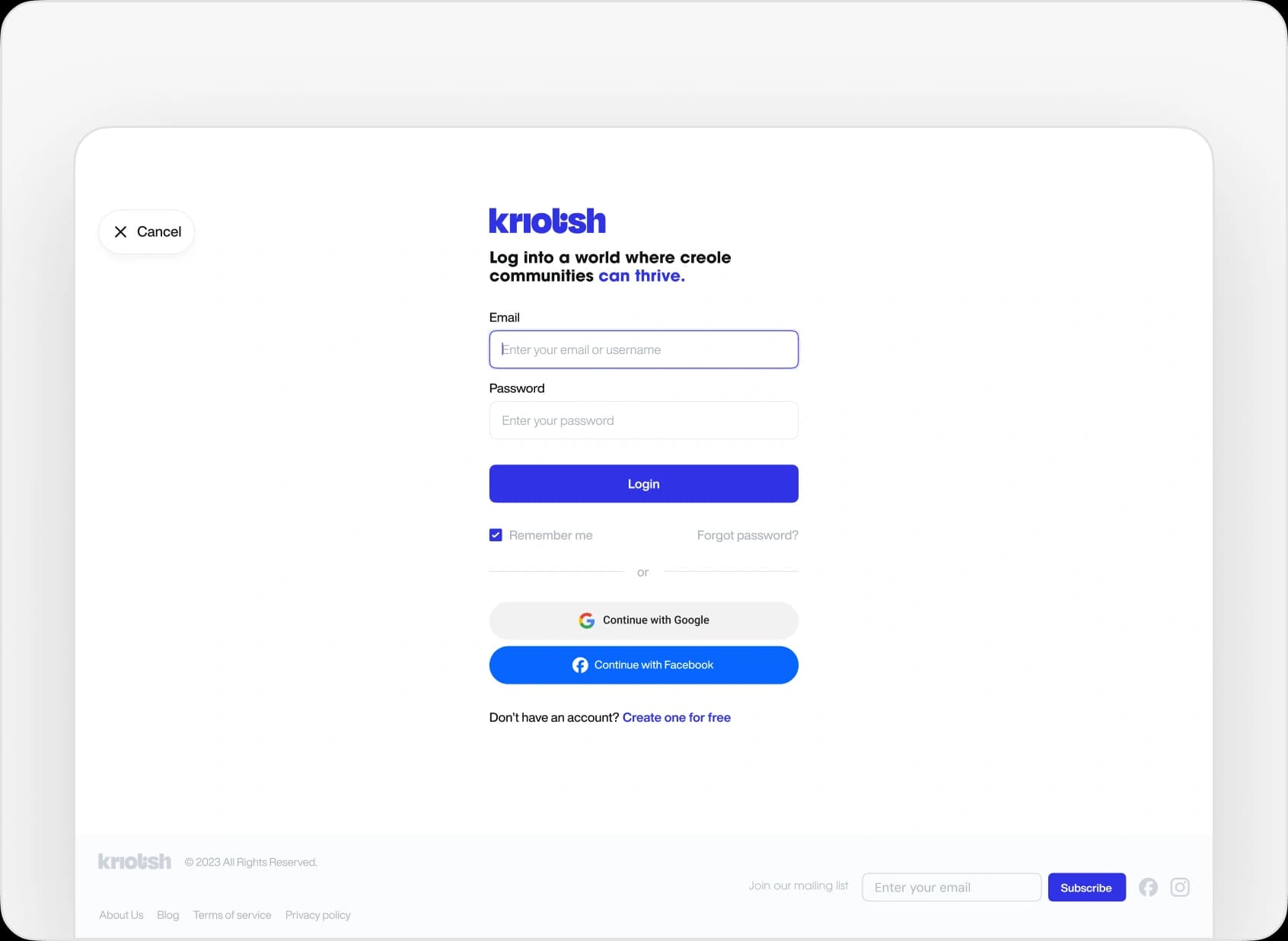
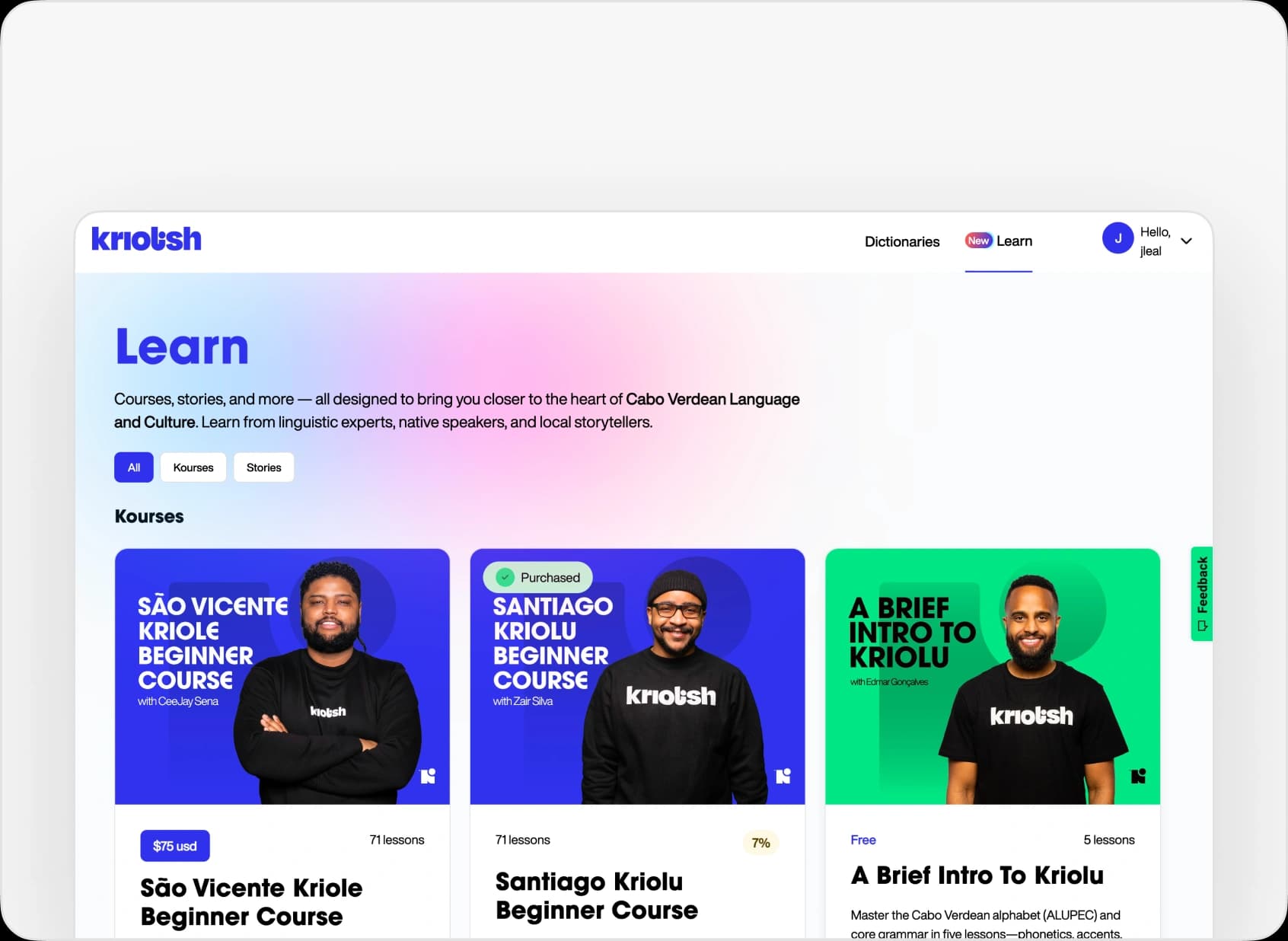
The full platform redesign wasn't a reskin. Contributing now requires an account -- before, anyone could submit anonymously -- which gave us a user base to grow and data to enrich the platform with. Analytics and user conversations showed people couldn't tell "translations" from "expressions" (the sayings Cabo Verdean speakers actually use), so both merged under one Dictionary. And since the dictionary is why most people come, it now cross-sells the courses -- while a redesigned "Add an expression" flow makes it easier to define a term, give examples, and record its pronunciation.
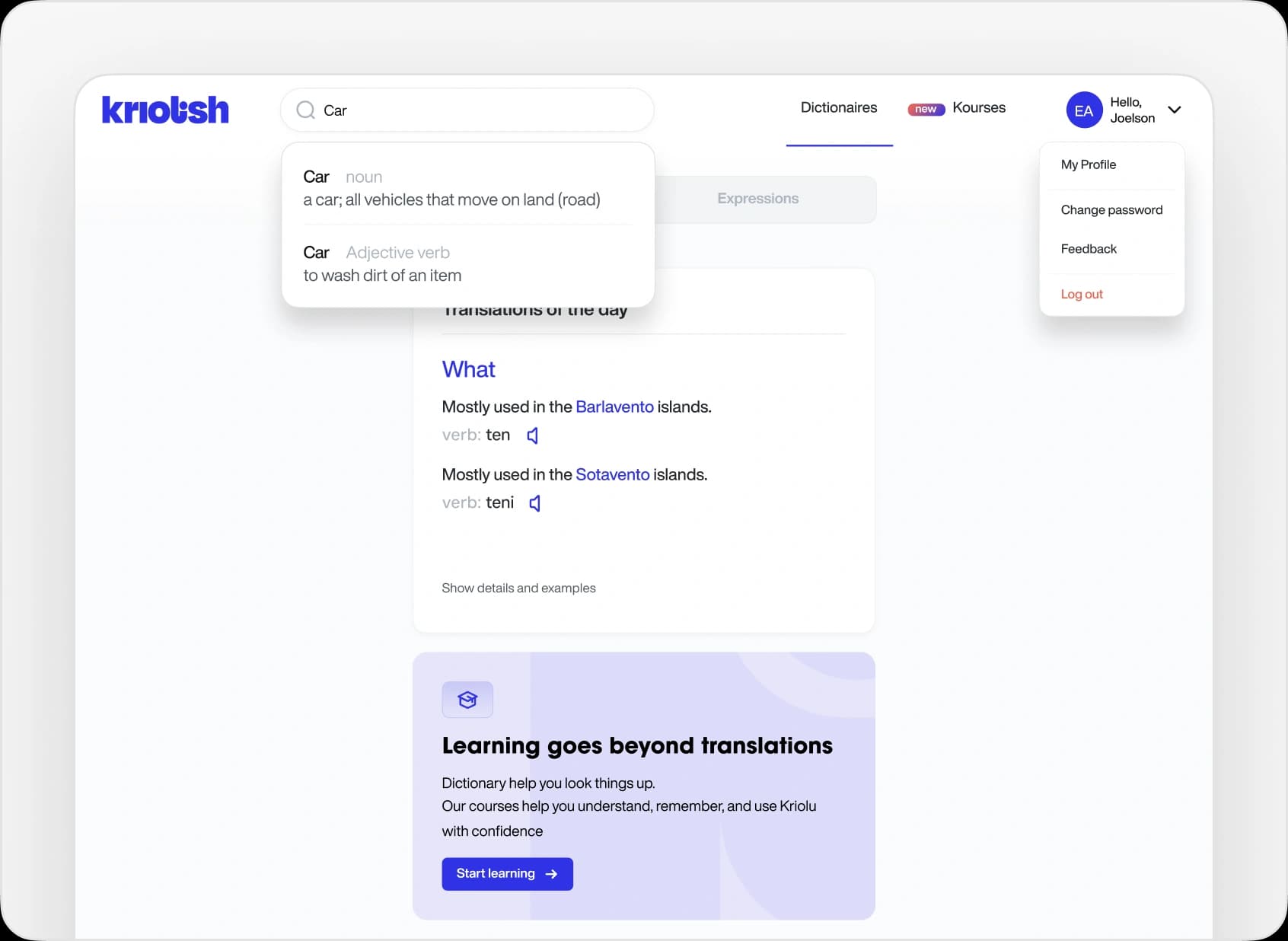
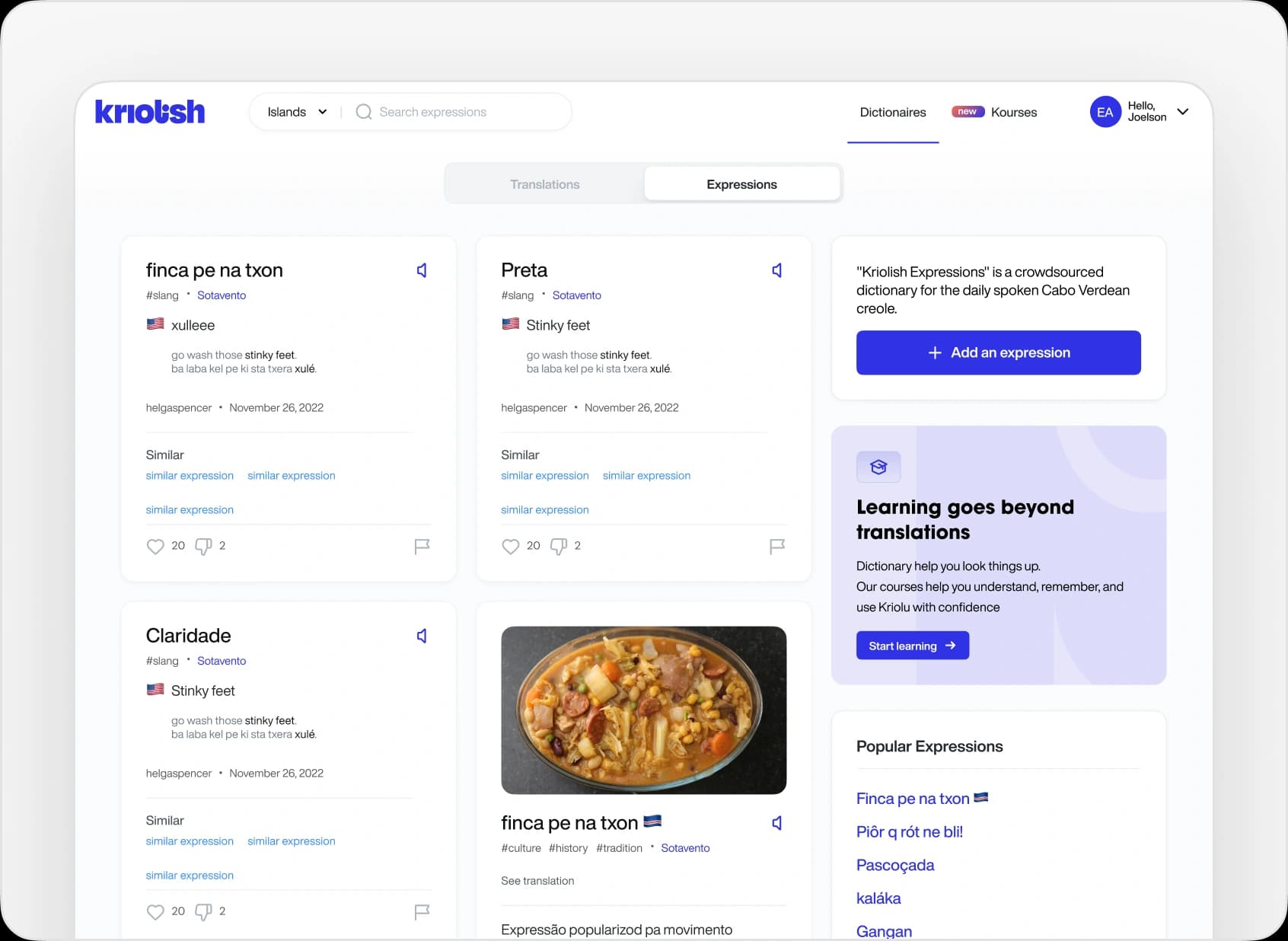
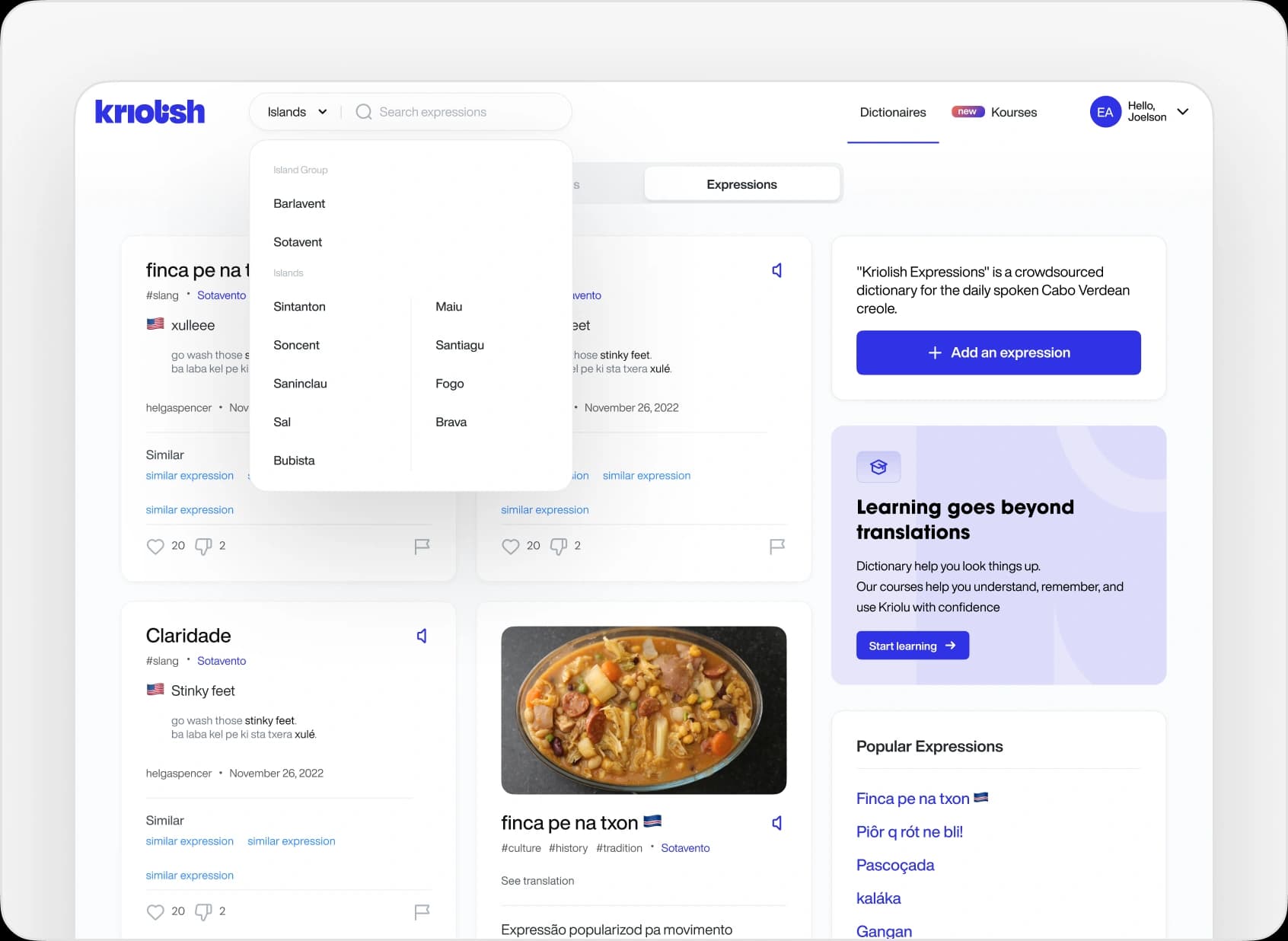
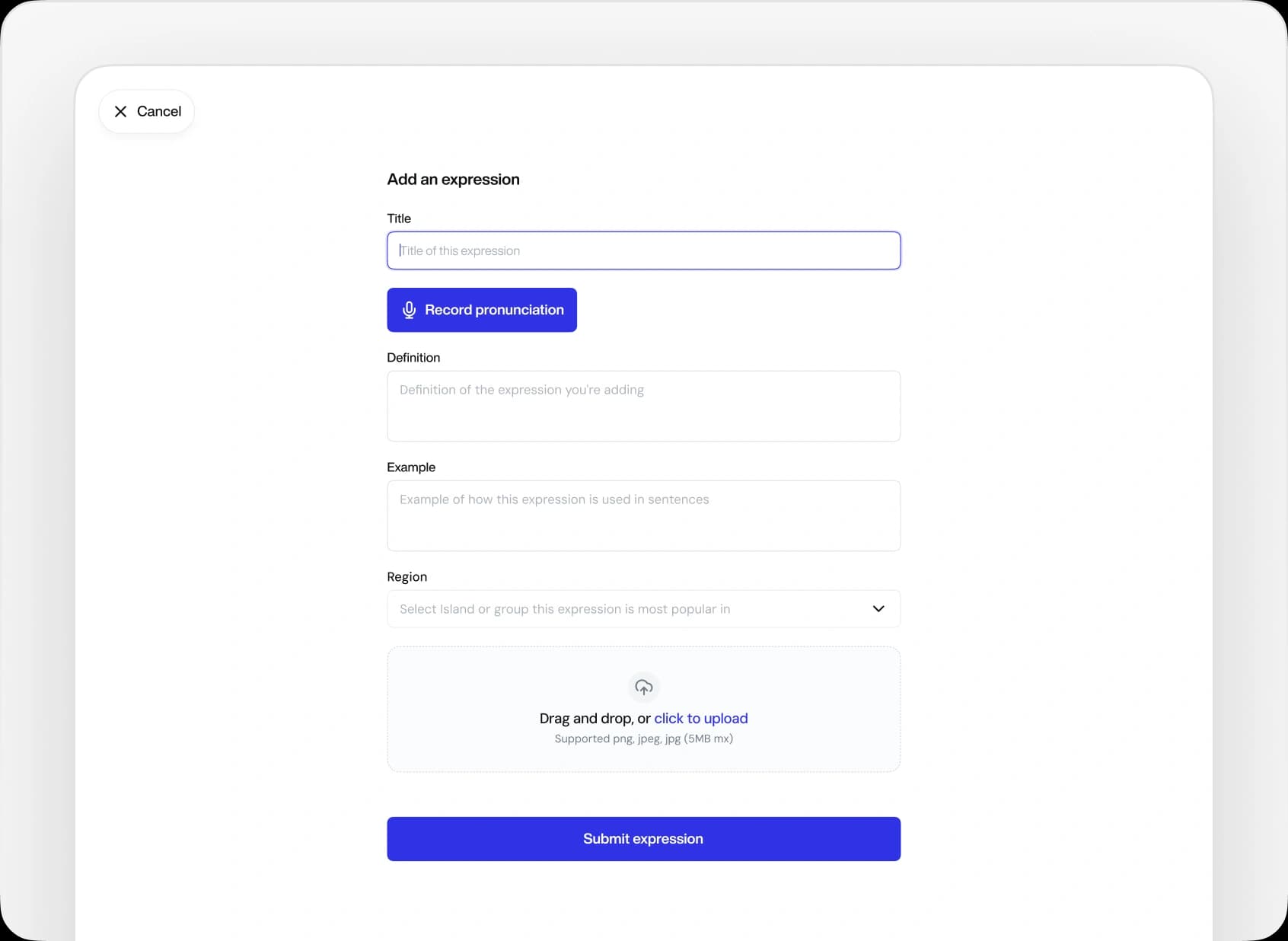
Build the branch that pays for the mission
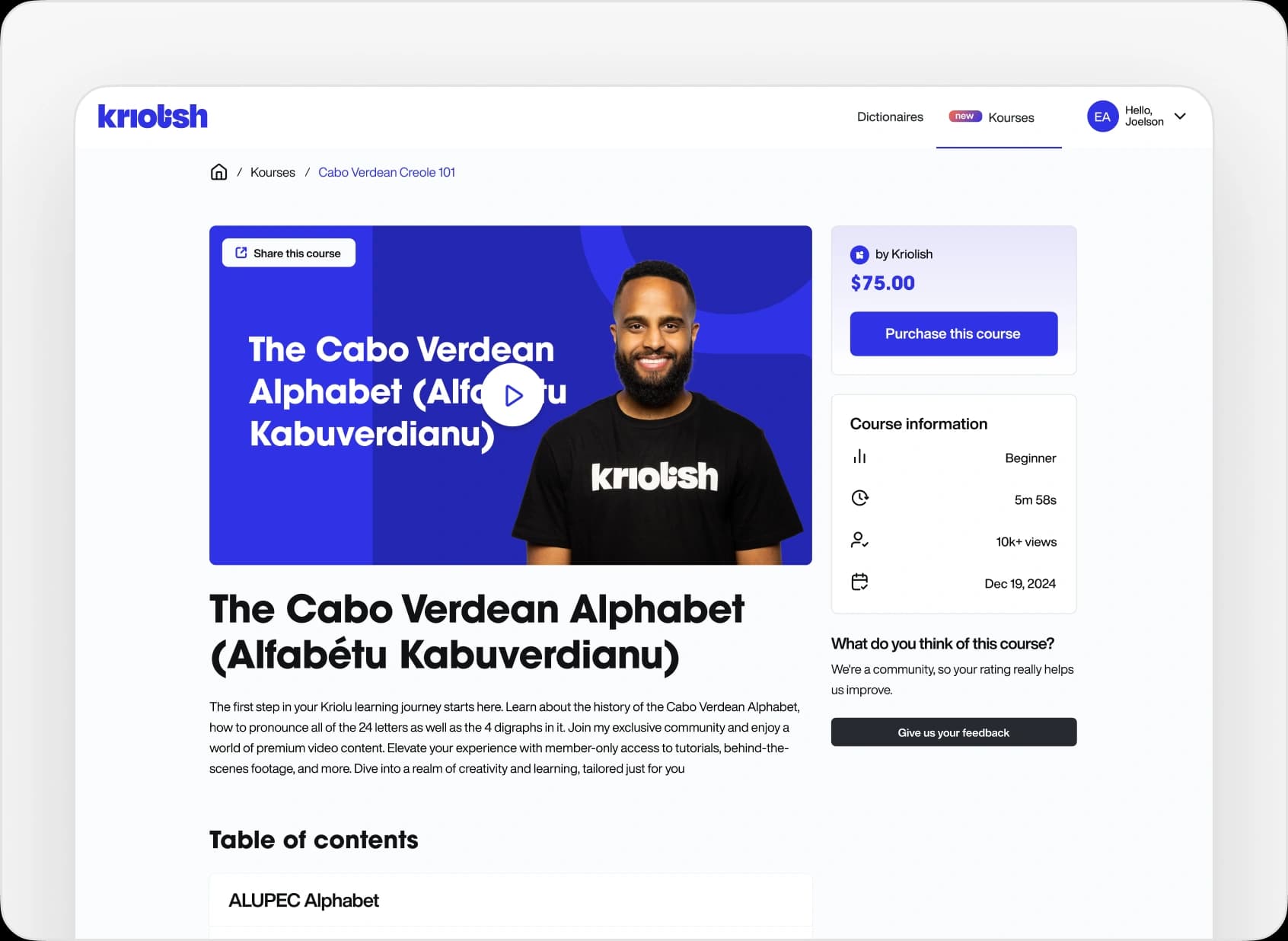
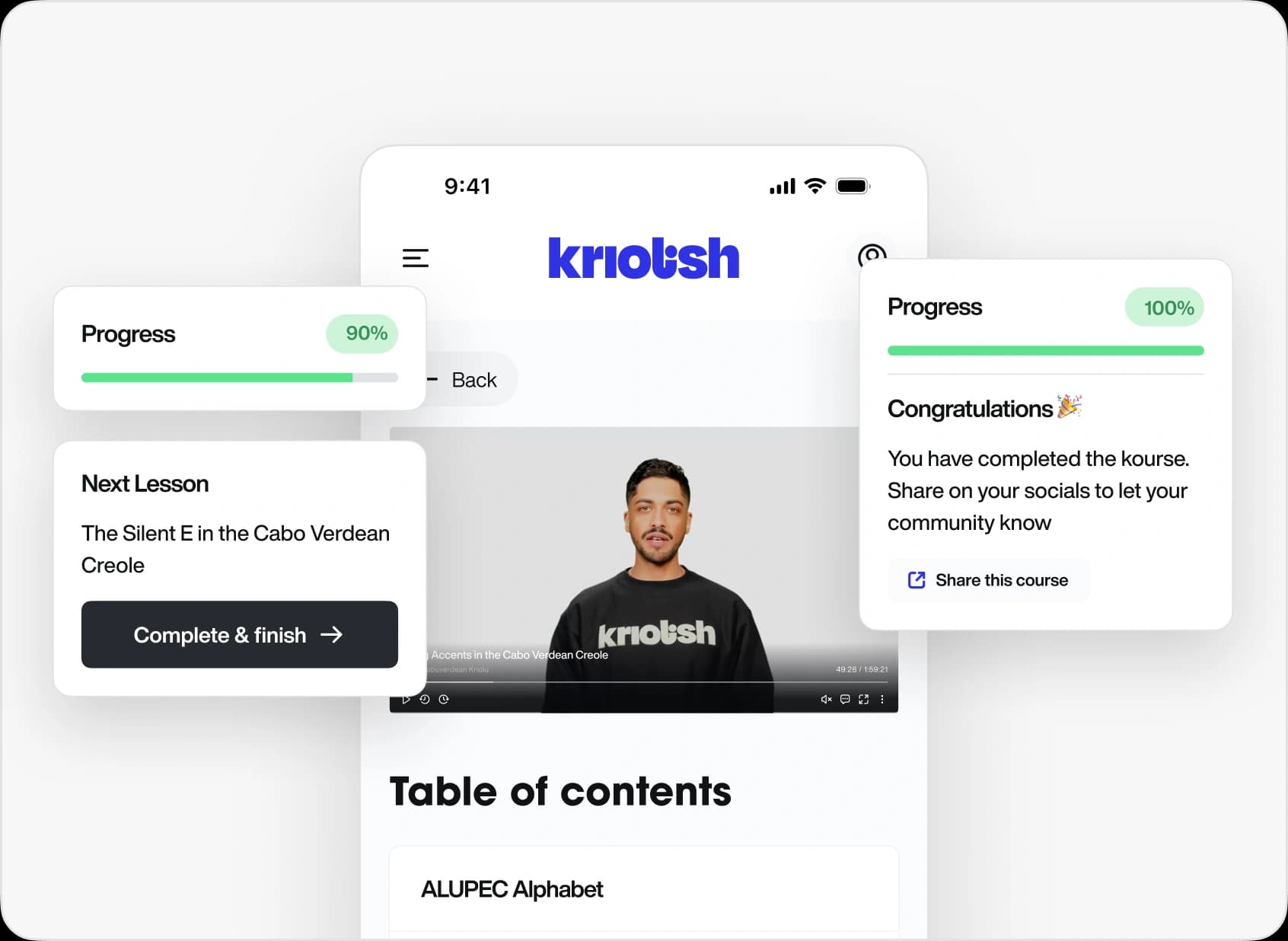
A crowdsourced dictionary doesn't make money on its own. So we built Kriolish Courses, and I designed it end to end: positioning, structure, and every screen. It became the company's first revenue. Nothing like it existed before: structured courses developed with linguists at Kriolish, sold as a one-time payment -- you pay once and keep it for life.
Solution
Kriolish now has one brand, one design system, and a product people pay for.
The platform, the courses, and the social templates all run on the same system. It's live at kriolish.com.
Handoff
Handoff specs to engineers
Everything went to engineering as documentation: component and spacing redlines for the design system, and the full Kourse selection and details flow, annotated screen by screen.
Learnings
The biggest one: movement beats process. The linear playbook I'd learned -- research the problem, define it, design, then hand off -- assumes you already know where the value is. A startup doesn't. The fastest way to find out what users want is to put things in front of them: design quickly, ship quickly, and let the live product do the research. Nothing we planned taught us as much as what we shipped.